
Steelers Release Ryan Watts Following Neck Injury
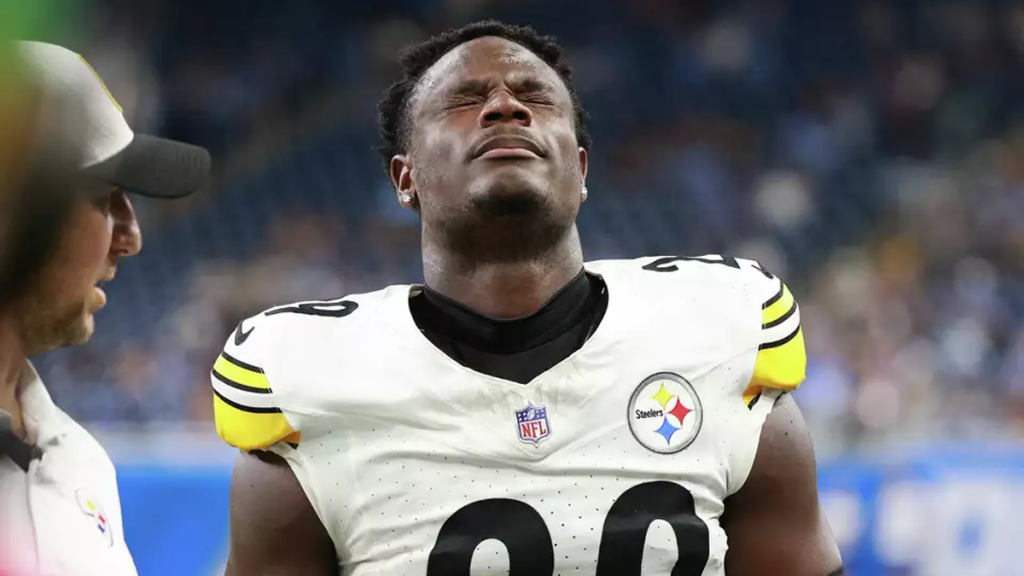
The Pittsburgh Steelers have officially released rookie defensive back Ryan Watts, the team announced, following medical evaluations that determined the sixth-round draft pick’s football career had been cut short due to a serious neck injury sustained during the 2024 NFL preseason.
Watts, selected by Pittsburgh in the sixth round of the 2024 NFL Draft out of the University of Texas, suffered the injury in the team’s final preseason game on August 24 against the Detroit Lions. The initial diagnosis was a stinger, a nerve-related injury common in contact sports, but follow-up evaluations revealed a more severe condition that required immediate attention. He was placed on season-ending injured reserve shortly after the injury.
Steelers general manager Omar Khan released a statement confirming the decision to part ways with Watts was made after multiple consultations with team physicians, outside specialists, and the player’s representation.
“We all agree that it’s in Ryan’s best interest to discontinue playing football at this time,” Khan said. “We will continue to support Ryan as he transitions to this next phase of his life.”
The team did not disclose the exact medical diagnosis or details of Watts’ treatment plan, but in January, the 23-year-old shared a personal update on Instagram that showed him in a hospital bed wearing a neck brace. In the caption, Watts reflected on the emotional toll of the past year.
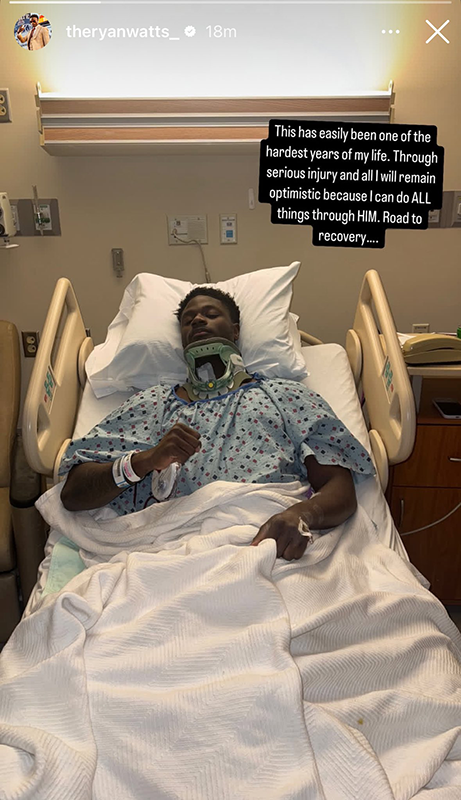
“This has easily been one of the hardest years of my life,” he wrote. “Through serious injury and all, I will remain optimistic because I can do ALL things through HIM. Road to recovery…”
Watts’ injury and subsequent release are a sobering reminder of the physical risks inherent in professional football, especially for young players fighting for roster spots during the preseason. The injury effectively ended Watts’ rookie campaign before it began and has now forced an early end to his playing career.
Before entering the NFL, Watts was considered a versatile and intelligent defensive back with a strong physical profile. He began his collegiate career at Ohio State, playing for two seasons before transferring to Texas, where he played his final two years. Across both programs, Watts totaled 100 tackles and three interceptions, showing a mix of physicality and football IQ that intrigued NFL scouts. At 6-foot-3 and 206 pounds, he brought size and athleticism to the secondary and had been competing for a role in Pittsburgh’s defensive backfield.
Watts participated in training camp and early preseason games, where he drew praise from coaches for his work ethic and understanding of the playbook. The team had high hopes for his development within the Steelers’ defensive system, particularly due to his ability to line up at multiple positions in the secondary.
His release leaves the Steelers with a vacancy at the back end of their roster, though team officials emphasized that the focus remains on supporting Watts during this transition. While the Steelers have dealt with player injuries before, it is rare for a rookie to suffer a career-ending injury before playing a single regular-season snap.
Though the NFL has made efforts in recent years to improve player safety — including rule changes, equipment upgrades, and medical protocols — serious injuries still occur, and in rare cases like this, they can derail promising careers before they start.
For now, it remains unclear what lies ahead for Watts, though many former players in similar situations have found roles in coaching, broadcasting, or player development. With his football knowledge and leadership qualities, Watts could remain involved in the game in a different capacity.
Fans and teammates alike have expressed support for the young athlete, many praising his faith, perseverance, and positive attitude despite the devastating circumstances. While his time with the Steelers may have been brief, Watts has left an impression with his professionalism and resilience.
As the Steelers prepare for the upcoming season, the organization reiterated that Watts’ health and future well-being remain a priority.
“We care deeply about our players not just as athletes, but as people,” a team official told reporters. “Ryan has a bright future ahead of him, even if it’s not on the field.”
Watts has not yet announced his long-term plans, but his message to fans suggests he is focusing on recovery, reflection, and rediscovering his path beyond professional football. In a league where only a small percentage of players enjoy long careers, Watts’ story highlights both the fragility of the game and the resilience it often demands from its players.
